Plumbing Inspection
Supply lines, drains, the water heater and every accessible shutoff — examined to the InterNACHI Standards of Practice, with findings in your report within 24 hours.
The plumbing system is the part of a house that quietly fails — a pinhole in a galvanized line, a water heater that has outlived its tank, a slow drain hiding a settled cleanout. Our plumbing inspection traces the system from the point of entry through the supply lines, fixtures, drains and the heater, so you know what you are buying before the closing table, not after the first flooded basement.
Supply, drain and the systems in between
In Hastings the housing stock spans more than a century. The streets above the riverfront and the older blocks near downtown hold homes that were re-plumbed in pieces over decades, while newer builds out toward the bluffs and the Highway 55 corridor bring their own quirks. That range matters: the supply material under a 1920s foursquare tells a very different story than the lines in a 1998 rambler. We identify what you actually have, document its condition, and explain what it means for cost and risk.
We run the water, watch how fixtures drain, check static pressure, and look for the staining, mineral crust and prior repairs that reveal a system's real history. Where a defect points deeper than a visual inspection can reach, we say so plainly and recommend the right specialist rather than guessing.
What we check
The plumbing portion of the inspection is hands-on and thorough. Core items we document:
- Supply piping material — copper, PEX, galvanized steel or polybutylene — and its visible condition
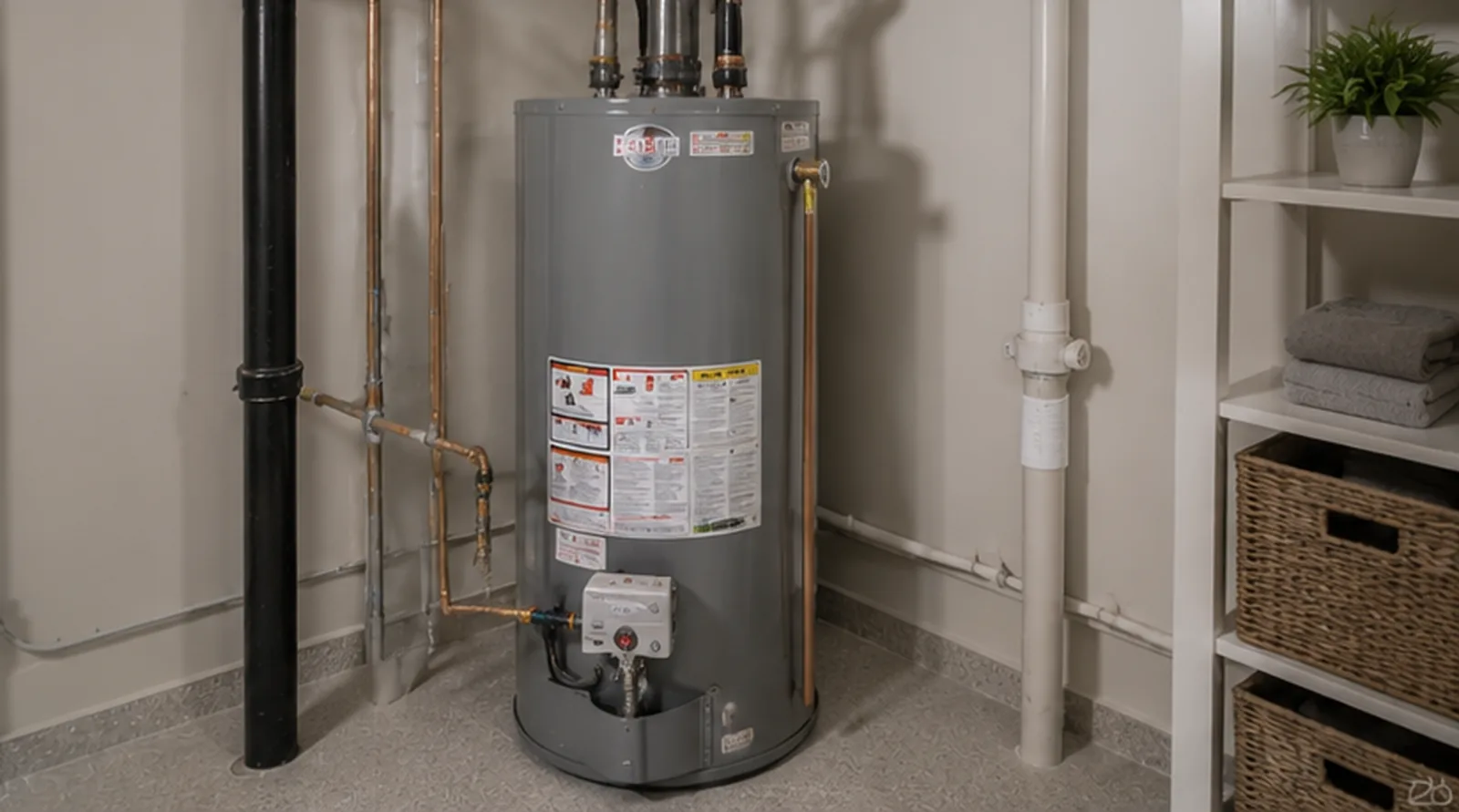
- Water heater age, capacity, venting, corrosion and the TPR (temperature & pressure relief) valve and discharge
- Main water shutoff plus accessible fixture and appliance shutoffs
- Functional flow and static water pressure at representative fixtures
- Drain, waste and vent performance — sinks, tubs, showers and toilets run and observed
- Visible leaks, active and past moisture, and water staining at supply joints and traps
- Fixtures, faucets and hose bibs for leaks, cross-connections and missing anti-siphon protection
Why it matters in Hastings
Two supply materials deserve special attention here. Galvanized steel, common in older homes near downtown and the river bluffs, corrodes from the inside out — pressure drops, hot water runs rusty, and the line eventually leaks where you cannot see it. Polybutylene, the gray flexible pipe installed widely from the late 1970s into the mid-1990s, can fail at its fittings without warning; spotting it during the inspection can change how you negotiate or plan a budget.
Water heaters add their own clock. A tank-style heater typically runs 8 to 12 years, and a unit installed past that window — especially one in a finished basement family room — is a leak waiting to happen. We document age and condition so a failure is a planned replacement, not a Saturday-morning emergency. We also confirm the TPR valve is present, correctly piped and not capped, because that single safety device is what keeps a water heater from becoming a hazard.
Because the plumbing system touches so much of the structure, this inspection works best alongside a few others. A failing supply line or a leaking heater often shows up first as moisture in the foundation, so it pairs naturally with our foundation inspection; and where a stain hints at something behind drywall, we can add thermal imaging to confirm whether it is active before you commit. Hastings also sits in radon Zone 1, and the same basement systems we walk for plumbing are where those concerns overlap.
You receive a clear, photo-documented report — what is sound, what needs attention soon, and what can wait — within 24 hours of the inspection. We work for you, the buyer, and nobody else.