Find the moisture before you chase the mold
Infrared moisture mapping paired with lab-backed air and surface sampling, so you learn not just whether mold is present, but exactly where the water is coming from.
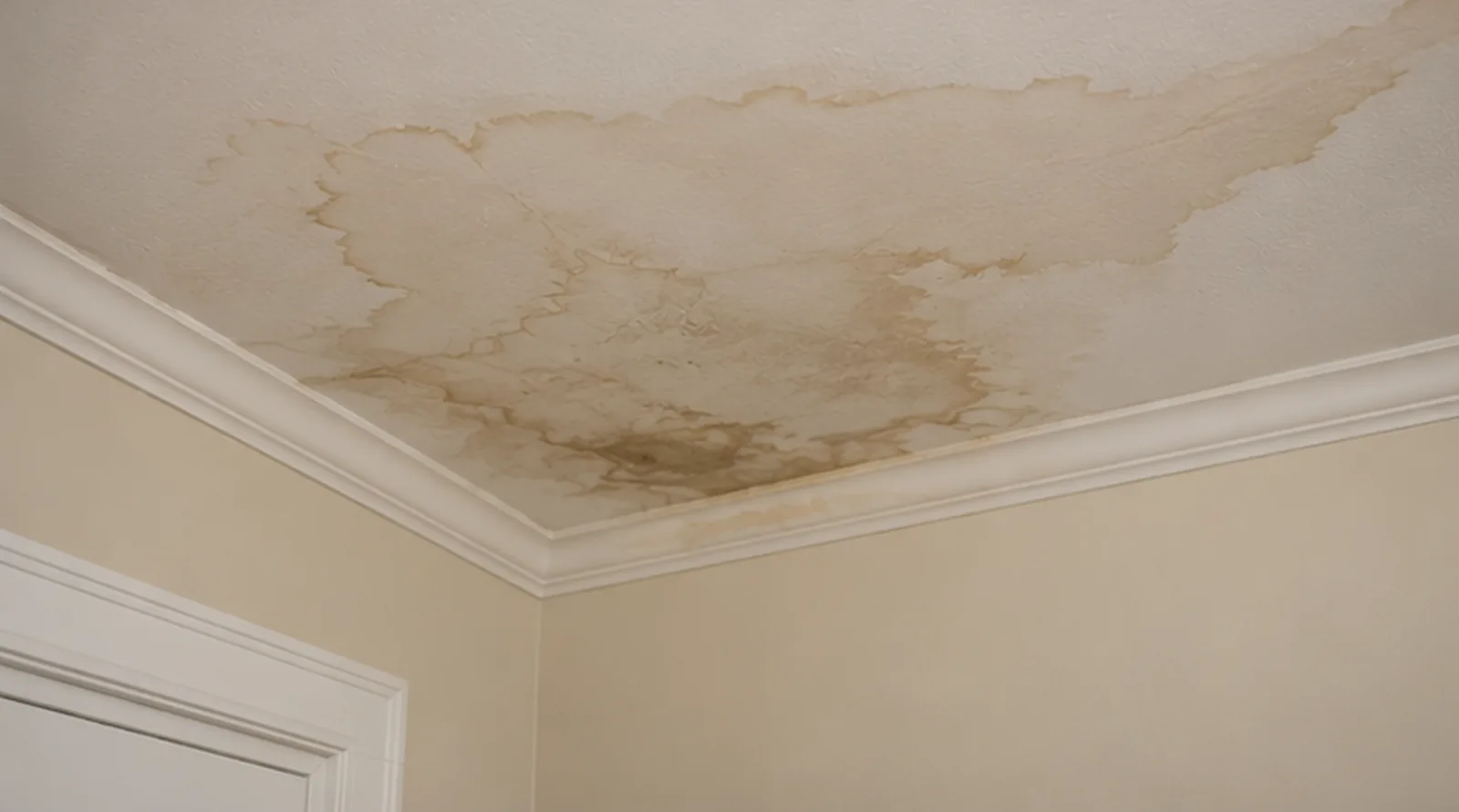
Mold is rarely the real problem — it is the symptom. Where you see staining, a musty smell, or fuzzy growth on a basement wall, there is moisture feeding it, and until that water is found and controlled, any cleanup is temporary. Our mold and moisture inspection treats the two as one job: we map where moisture is collecting with an infrared camera and a pin-and-pad meter, then, when the situation warrants it, collect air or surface samples for an accredited lab to confirm what is actually growing.
A moisture-first approach
Anyone can swab a wall and send it to a lab. The harder, more useful work is tracing moisture back to its source — a grade-level leak, a cracked foundation, condensation on cold ductwork, a failed sump pump, or humid river-valley air condensing inside a finished basement. We walk the home with thermal imaging to reveal cool, damp areas hidden behind drywall and trim, confirm them with a moisture meter, and document the path the water is taking. That way you are spending money on the fix that lasts, not on remediation that comes right back the next wet spring.
This service pairs naturally with a radon test — both are about what is moving through your foundation and air — and with a sewer scope when drains, floor cracks, or a backed-up basement are part of the picture.

What we check
Following the InterNACHI Standards of Practice, the moisture investigation covers the places water actually hides and the conditions that let mold take hold.
- Infrared moisture mapping of basements, foundation walls and ceilings
- Pin and non-invasive meter readings to confirm active moisture
- Visible growth on framing, drywall, trim and finished basement walls
- Sump pits, drain tile discharge and signs of past water intrusion
- Condensation on cold water lines, ductwork and uninsulated walls
- Grading, downspouts and grade-level leaks pushing water inside
- Optional air and surface sampling sent to an accredited lab
Why it matters in Hastings
Hastings sits right on the Mississippi in Dakota County, and that location shapes the moisture problems we see. River-valley humidity hangs heavier here through the warm months, and when that damp air drifts into a cool basement it condenses on walls, ducts and cold-water lines — the classic recipe for a musty smell and surface mold even when there is no obvious leak. Walkout and bluff-side homes add their own twist: water moving down a slope finds the uphill foundation wall first, so staining and dampness often show up on the side of the basement you would least expect.
The older housing stock around downtown brings stone and block foundations, hand-dug basements and decades of patched grading, all of which can let water seep in slowly enough that it never reaches the floor — it just keeps the lower walls damp. And because much of Dakota County sits in the EPA's radon Zone 1, the same cracks and porous foundation paths that carry moisture also carry soil gas, which is exactly why we so often pair this inspection with a radon test. Catching the moisture source early, with documentation in hand, is what keeps a small damp spot from becoming a finished-basement tear-out.