Radon Testing You Can Actually Trust
EPA-protocol continuous radon monitoring for Hastings and Dakota County — a high-radon Zone 1 area where the soil beneath your basement is the real story.
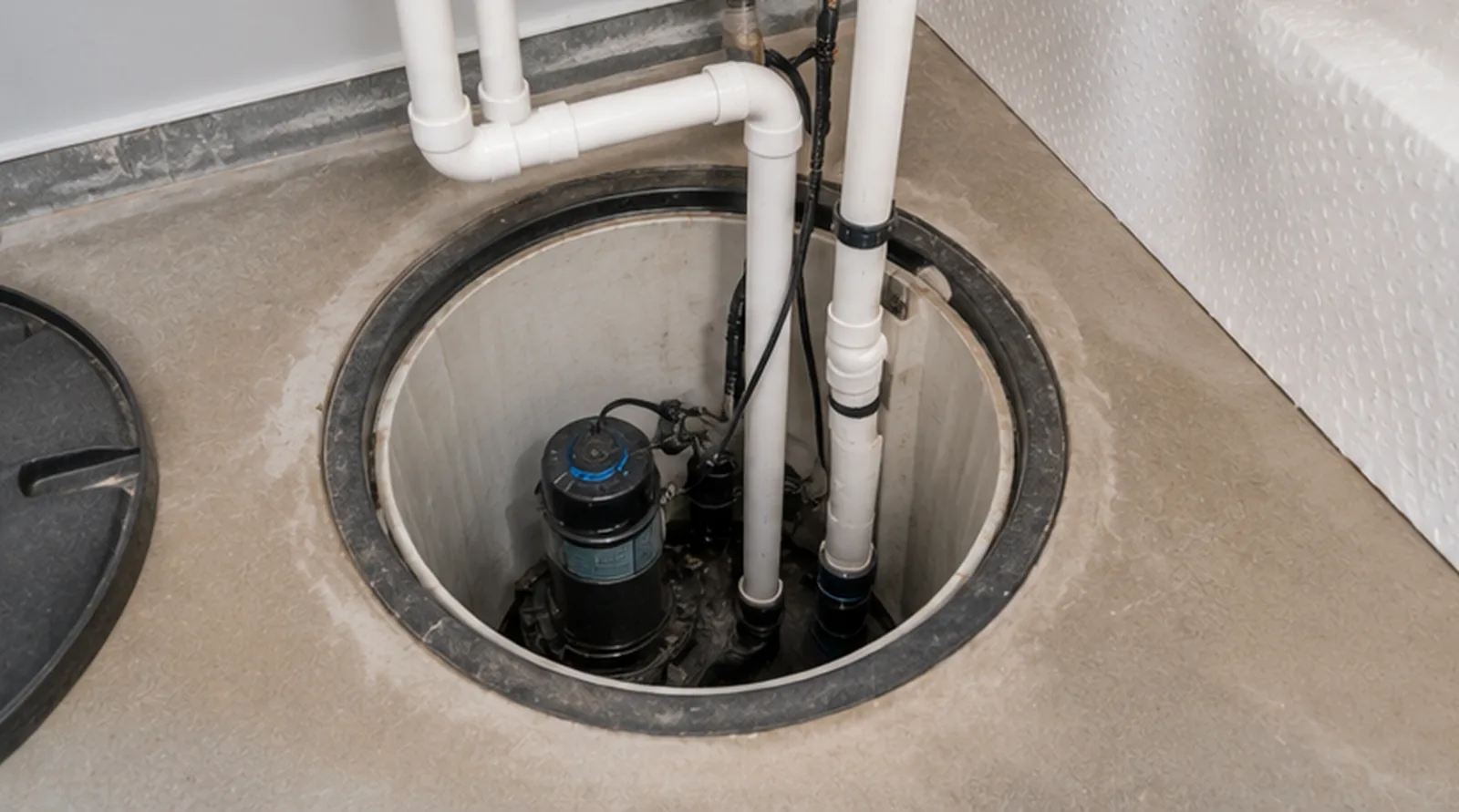
Radon is a colorless, odorless radioactive gas that seeps up from the soil, decaying uranium in the bedrock and works its way through foundation cracks, sump pits, and slab penetrations into the lower levels of a home. You cannot see it, smell it, or taste it — and in Hastings, you cannot assume it away. Dakota County sits in EPA Radon Zone 1, the highest-risk category, where indoor averages routinely run above the 4.0 pCi/L action level. The only way to know what your home is doing is to measure it.
Why a measured test, not a guess
Radon levels swing with weather, season, soil moisture, and how tightly a house is closed up — two homes on the same Hastings street can read very differently, and the same house can read differently in January than in June. That's why we don't use guesswork or a cheap charcoal puck left in a corner. We place a calibrated continuous radon monitor (CRM) that records an hourly reading for the full test period, following EPA measurement protocol and InterNACHI Standards of Practice. The result is an hour-by-hour graph, an average level in picocuries per liter (pCi/L), and a report you can hand to a lender, a seller, or a mitigation contractor with confidence.
We run the test in closed-house conditions: windows and exterior doors kept shut except for normal entry and exit, HVAC running as usual, for a minimum of 48 hours. The monitor itself flags tampering — if a window gets propped open or the device is moved, the data shows it, which protects you in a real-estate transaction where the reading carries weight.
What the radon test covers
A radon measurement is more than dropping a box on the floor. Placement and conditions decide whether the number means anything.
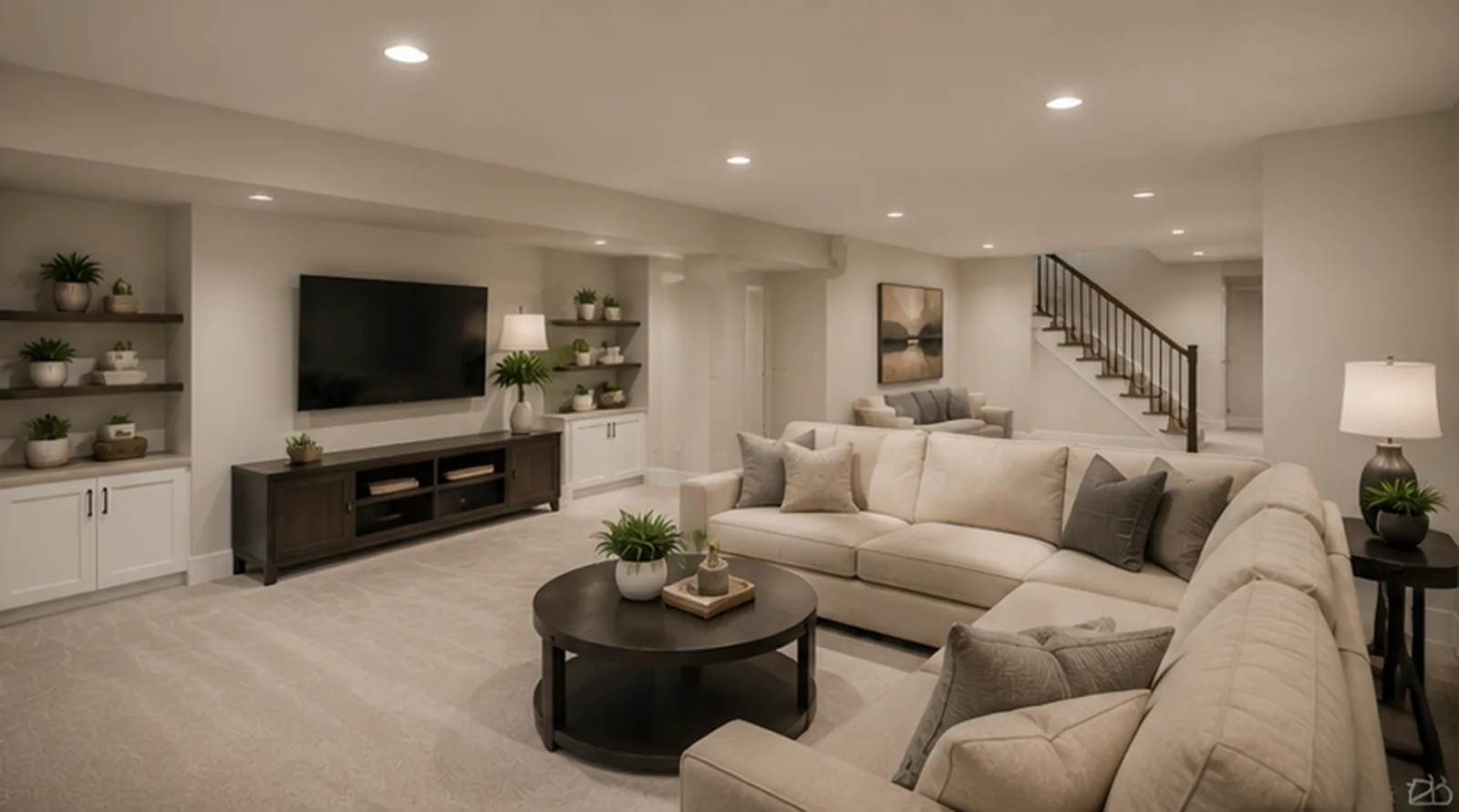
- Calibrated continuous monitor placed in the lowest livable level — finished basement, walkout, or lower-level bedroom
- Minimum 48-hour run in verified closed-house conditions
- Hourly readings plus a clear average in pCi/L against the 4.0 action level
- Tamper and movement logging to keep the result transaction-grade
- Plain-language explanation of the number and your options — no upsell
Why it matters here in Hastings
Hastings sits on the Mississippi in Dakota County, where river-valley geology and the deep, finished basements common to the area combine into one of Minnesota's higher-radon environments. The Minnesota Department of Health estimates that roughly two in five Minnesota homes test above the action level, and Zone 1 counties like Dakota skew higher still. Walkout and daylight basements — popular on the bluffs around town — create extra below-grade surface area for soil gas to enter, and the older housing stock near downtown often has fieldstone foundations, slab cracks, and earthen crawlspaces that give radon an easy path indoors.
None of this is cause for alarm — it's cause for measurement. Radon is the leading cause of lung cancer in non-smokers, but it is also one of the most fixable problems a home can have. When we test as part of a full inspection, you get the radon picture alongside everything else the house is telling us, so you can negotiate or plan with the whole story in front of you.
What the numbers mean — and mitigation
The EPA action level is 4.0 pCi/L. Below that, the recommendation is to retest periodically. At or above 4.0, mitigation is advised, and even between 2.0 and 4.0 many buyers choose to reduce levels further since there is no truly "safe" amount. If your reading comes back high, don't panic: sub-slab depressurization is a routine, well-understood fix. A licensed mitigation contractor seals entry points and installs a vent pipe and fan that draws soil gas from beneath the slab and exhausts it above the roofline — a typical system brings a home well below the action level. We explain exactly what your result means and what your realistic options are, because we work for the buyer, not for a mitigation company.
Radon testing pairs naturally with a full buyer's inspection, and the same lower-level conditions that let radon in — foundation cracks, sump pits, water staining — are exactly what we evaluate during a foundation inspection. Bundling them gives you one visit and one complete report, delivered within 24 hours.