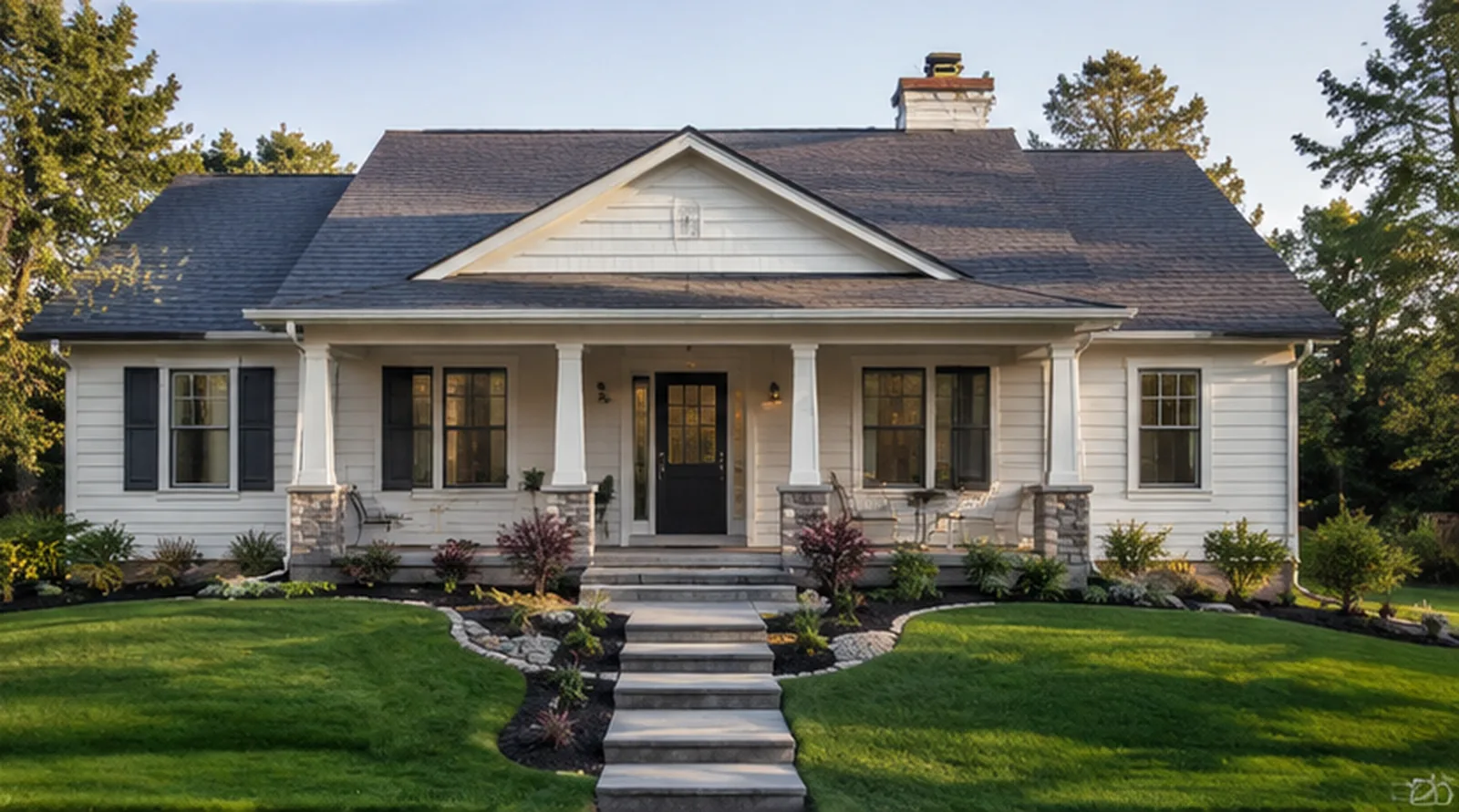
Catch every defect before your builder warranty ends
An independent, standards-based inspection timed to month eleven of your new home's first year — so the builder repairs what has surfaced, on their dime, not yours.
Most builders in Dakota County stand behind their workmanship for one year. That window closes quietly — and once it does, every cracked corner bead, every door that no longer latches, and every grading problem becomes your repair bill. An 11-month warranty inspection puts a thorough, independent record in your hands while the builder is still obligated to act.
Why month eleven, specifically
A new Hastings home spends its first year settling onto the soil, drying out its framing lumber, and weathering a full Minnesota cycle — humid river summers, autumn rain, and the deep freeze-thaw that grips the Mississippi bluffs from December through March. Problems that were invisible on closing day surface across those twelve months. Inspecting at month eleven captures all of that movement while leaving you a comfortable cushion to file your claim before coverage lapses. Wait until month thirteen and the same list of defects is suddenly yours alone.
We inspect to the InterNACHI Standards of Practice, the same disciplined checklist we use on a resale home, and deliver a builder-ready report within 24 hours. Because we are independent and work only for you — never the builder or a developer — the findings are yours to use however you see fit.
What we look for at the one-year mark
This is a complete inspection, but our focus narrows to the items that move, settle, and reveal themselves in a home's first winter — the defects a builder warranty is meant to cover.
- Drywall cracks, nail pops, and seams opened up by framing shrinkage
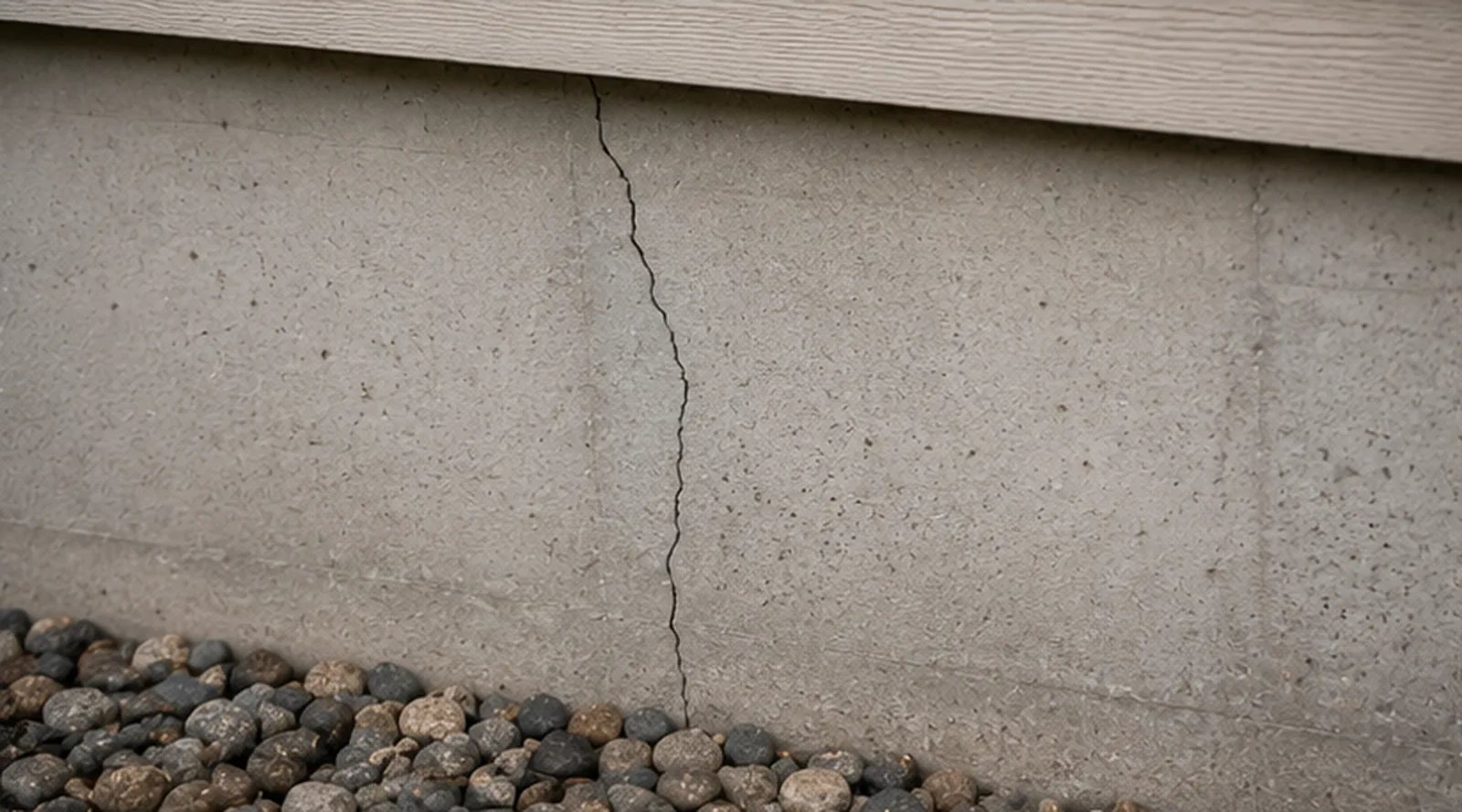
- Foundation settlement cracks and basement moisture intrusion
- Site grading that has begun sloping back toward the foundation
- Roof, flashing, and gutter work that leaked through the first storms
- Doors and windows binding, sticking, or losing their seals
- HVAC airflow that needs balancing across the house
- Deck ledger flashing, fasteners, and post connections
- Plumbing leaks, water-heater performance, and electrical panel issues
Thermal imaging, moisture metering, and a sewer-scope camera are standard tools on every inspection, so hidden water and insulation gaps show up in the report rather than on a future repair invoice.
Why it matters in Hastings
Hastings sits on the Mississippi in Dakota County, and the river's clay-heavy soils and seasonal moisture swings put real stress on a young foundation. The deep freeze-thaw cycle that defines a Minnesota winter heaves and settles the ground around a new build, opening grading and drainage problems that simply didn't exist at closing. Dakota County also lies in radon Zone 1, the EPA's highest-potential tier — and a new home's slab, sump, and sealing details are exactly the things worth verifying while the builder still owns the fix.
The newer subdivisions ringing town are built fast, and even a reputable builder's crews leave punch-list items behind. A documented, third-party inspection turns "I think the closet door sticks" into a clear, photographed defect list your builder's warranty department can act on without argument. If your home is a few years past warranty instead, a standard buyer's inspection covers the same ground for a resale; and if you're weighing radon specifically, pair this visit with our radon testing.