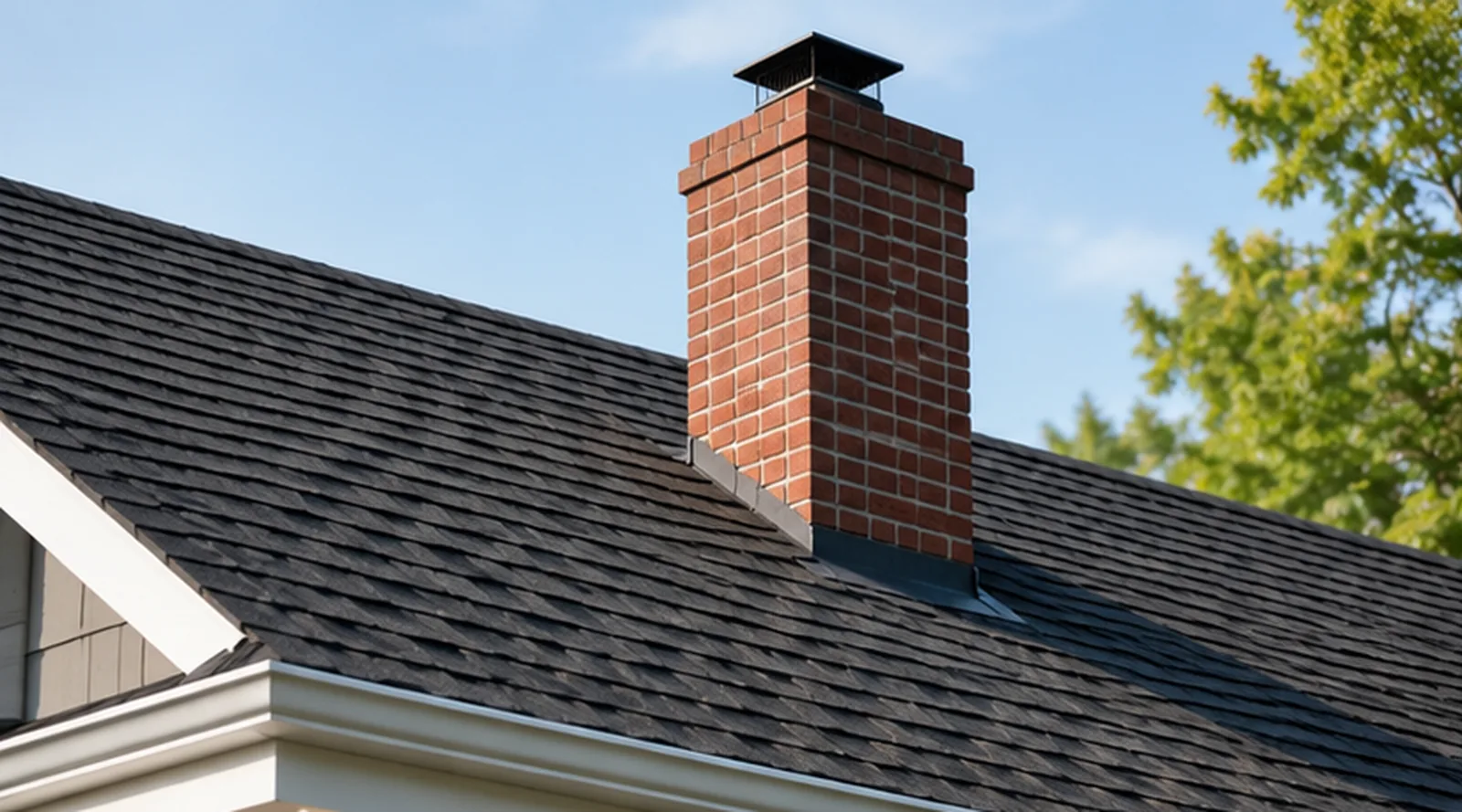
Roof Inspection in Hastings
Covering, flashing, penetrations, ventilation and drainage — read by someone who works for the buyer, not the seller. We give you the honest condition of the roof over your head and a realistic estimate of the years it has left.
The roof is the single most expensive component most buyers inherit, and in Hastings it takes the full force of the Minnesota cycle — summer hail, autumn wind, the freeze-thaw of a river-valley winter and the snow load that follows. Our roof inspection follows the InterNACHI Standards of Practice and looks past surface appearance to the things that actually leak: the covering, the flashing, every penetration, the way the attic breathes and how water gets off the roof and away from the house.
Looking at the whole system
A roof is not just shingles. We evaluate the covering material and its installation, the flashing at chimneys, walls, valleys and skylights, the boots around plumbing vents, and the condition of gutters, downspouts and the grading that water eventually reaches. We pair what we see on top with what we find underneath — staining, daylight, compressed insulation and inadequate ventilation in the attic often tell the real story before a single shingle looks bad from the curb. Where a roof is safe and accessible, we walk it; where it isn't, we say so plainly.
What we check
- Roof covering — shingle wear, granule loss, hail bruising, curling, lifting and exposed fasteners
- Flashing at chimneys, walls, valleys, skylights and roof-to-roof transitions
- Penetrations — plumbing-vent boots, exhaust caps and the seals around them
- Ventilation — soffit intake and ridge or roof-vent exhaust, the system that keeps an attic dry
- Drainage — gutters, downspouts, valleys and where the water finally lands
- Attic underside — moisture metering for staining, daylight and active leaks
- An honest remaining-life estimate based on material, condition and install quality
Why it matters in Hastings
Hastings sits on the Mississippi in Dakota County, and the river valley shapes what fails on a roof here. North-facing slopes and bluff-side homes hold snow longer, and that's exactly where ice dams form — meltwater backing up under the shingles where it refreezes at the cold eave, then finds its way into the attic and down the wall. We pay close attention to ice-dam history: stained sheathing, the line of past damage at the eaves, and the ventilation and insulation problems that cause it in the first place. Catching that pattern early often matters more than the shingles themselves, and on steep or unwalkable roofs it's often best documented with a drone roof inspection.
The older housing stock around downtown adds its own wrinkle. Some of those homes carry slate, clay-tile or steep, original roofs that simply cannot be walked without risking damage to the material and to the inspector. Those we inspect honestly from a ladder, from grade with optics, and from the attic side — and we tell you exactly what we could and couldn't see, rather than implying a walked roof we never set foot on. For asphalt-shingle roofs, the more common case, we report wear realistically: a roof can look fine from the street and still be two storms from the end of its service life, and that distinction is worth real money at the negotiating table. The roof never stands alone, either — what we find up top often points to grading, gutters and water entry we follow through on the full buyer's inspection. Every finding is photographed and explained in plain language in your report, delivered within 24 hours.