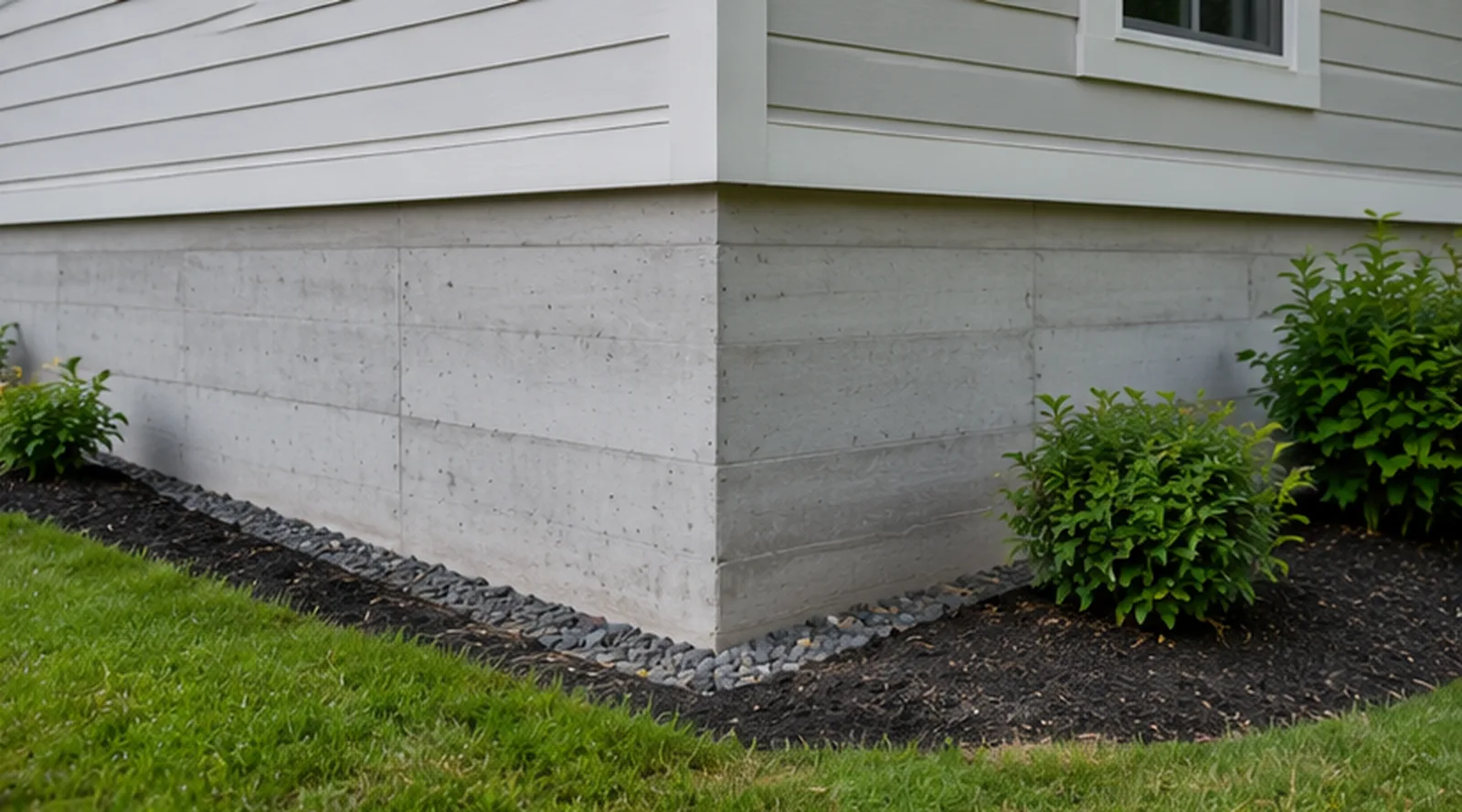
Foundation Inspection in West St. Paul
Foundation Inspection in West St. Paul, MN by Home Inspectors Hastings MN — a 24-minute drive away. A photo-mapped digital report within 24 hours.
Foundation Inspection in West St. Paul, Dakota County, by Home Inspectors Hastings MN — a 24-minute drive away. West St. Paul is a dense first-ring suburb of post-war ramblers and split-levels where older sewer laterals along the Robert Street corridor are a recurring concern, and we calibrate every visit to that.
West St. Paul housing runs to dense post-war ramblers and split-levels, across the neighborhoods along and off the Robert Street corridor, on first-ring suburban lots on rolling terrain. That mix shapes what a foundation inspection here actually needs to look for — not a generic national checklist.
What our foundation inspection covers
- Footings and walls for cracking, bowing and displacement
- Plumb, floor slope and door/window operation
- Moisture intrusion and efflorescence
- Bluff-zone movement vs. long-stable settling
What a foundation inspection in West St. Paul looks for.
Two Hastings conditions need a trained eye: bluff-zone lateral movement on the 2nd/3rd/4th Street West descent, where river-valley soils creep downhill, and pre-1900 limestone rubble walls downtown with eroding lime mortar and no waterproofing — both invisible to out-of-area inspectors.
- Footings and walls for cracking, bowing and displacement
- Plumb, floor slope and door/window operation
- Moisture intrusion and efflorescence
- Bluff-zone movement vs. long-stable settling
What we find on West St. Paul homes.
Two Hastings conditions need a trained eye: bluff-zone lateral movement on the 2nd/3rd/4th Street West descent, where river-valley soils creep downhill, and pre-1900 limestone rubble walls downtown with eroding lime mortar and no waterproofing — both invisible to out-of-area inspectors.
We read crack pattern, plumb and grade together, and call for a structural engineer when the evidence warrants it. See all West St. Paul inspections → or learn more about foundation inspection →
Four steps, zero phone tag.
Reserve online
Build your quote and book a slot in the live scheduler — most weeks have near-term availability.
The inspection
A patient on-site inspection with thermal, moisture and scope instruments on every applicable system.
Walkthrough
A same-day summary of the key findings, explained in plain English before you leave.
The report
A clear, photo-mapped digital report delivered within 24 hours, built to negotiate with.